"We speak both English and Spanish."

Dental Fillings in San Pablo, CA
Many adults have fillings. Regardless of whether it’s your first time getting a filling or your third time, at iSmile Dental San Pablo dentist in San Pablo, CA, we understand that some people still have questions about them. We always encourage our patients to ask questions because it’s their health, after all.
At iSmile San Pablo, we believe our clients deserve to know about anything that can affect them. That’s why we’ve put together some of the most common questions we receive about dental fillings. If you have a question that’s not listed here, or if something isn’t clear, don’t hesitate to ask us in person or over the phone.
What Happens When You Get a Filling
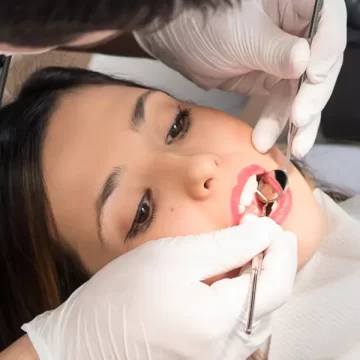
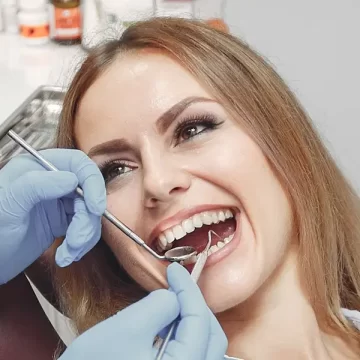
Getting a dental filling is simple but not as simple as just sticking the filling into a cavity. After examining your teeth, we will apply local anesthesia so that you don’t feel any pain. In case you’re unfamiliar with it, local anesthesia only works locally and will numb part of your mouth. Your consciousness and alertness won’t be affected in the slightest.
After guaranteeing that your mouth is numb and insensitive to pain, we’ll clean the cavity from bacteria and debris. Adding a filling to decayed tissue would be wrong as the tooth will continue to decay and suffer. Next, we put in the filling, and you can go home.
Different Types of Fillings
Fillings aren’t all the same. As dentists, we have a variety of materials that we can use. These include metals like silver and gold, composite, ceramic, and glass. Each type has its advantages and disadvantages that we’ll discuss with you before proceeding. The decision is ultimately yours.
Taking Care of Your Fillings
Taking care of your fillings and prolonging their life expectancy is as easy as taking care of your dental health regularly. You need to brush your teeth as instructed, floss, and visit your dentist twice a year for check-ups and cleanings.
If there are any changes to your fillings or you think they may have fallen, give us a call or visit us so we can examine and check if anything’s wrong.
FAQ’s
Other Services